7 Amazing Tulip Facts to Cultivate Your Interest
Posted on 25/08/2025
7 Amazing Tulip Facts to Cultivate Your Interest
Delicate, vibrant, and symbolic, tulips have enchanted people around the globe for centuries. Whether you're a seasoned gardener or simply a flower enthusiast, these beautiful blooms have a fascinating story to tell. Explore these amazing tulip facts to deepen your appreciation for one of nature's most beloved flowers.

1. Tulips: A Flower with a Storied Past
Many people might assume that tulips originate from the famous Dutch fields, but the story of tulips reaches much further back in history. In truth, tulips are native to Central Asia, particularly in the area that is now modern-day Kazakhstan, Iran, and Afghanistan. Centuries ago, these stunning blooms spread westward, eventually captivating the Ottoman Empire and becoming a symbol of prosperity and indulgence in 16th-century Turkey.
- Central Asian Origin: Tulips can be found growing wild along the steppes and mountains of Central Asia.
- Ottoman Symbolism: The flower was so deeply revered in Ottoman society that it made its way into poetry, carpets, and royal gardens, even giving rise to the so-called "Tulip Era" (1718-1730) during the reign of Sultan Ahmed III.
- Dutch Discovery: It was not until the late 1500s that tulips found their way to the Netherlands, thanks to the botanist Carolus Clusius.
Tulips were at the heart of an international flower fever long before they became a symbol of Dutch horticulture.
2. The Tulip Mania: History's First Economic Bubble
One of the most incredible and lesser-known facts about tulips is their role in economic history. During the 17th century, the Netherlands experienced an event known as Tulip Mania--often cited as the world's first recorded economic bubble.
- Rapid Price Inflation: Tulip bulbs became a luxury commodity, with rare and uniquely colored varieties fetching astonishingly high prices.
- Speculation Frenzy: At the peak of Tulip Mania around 1636-1637, some single bulbs sold for more than ten times the annual wage of a skilled craftsman.
- Dramatic Crash: The market for tulips crashed suddenly, bringing financial turmoil to many who had invested their fortunes in bulbs. The bubble burst left a cautionary tale about speculation and unsustainable markets.
Despite the brief chaos, Tulip Mania cemented the flower's place in Dutch culture and history, ensuring its legacy would live on--and ultimately leading to today's famous tulip festivals and fields.
3. A Stunning Palette: Tulip Colors and What They Mean
When it comes to tulip varieties, few flowers can match their dazzling diversity of colors and patterns. From scarlet reds and buttery yellows to deep purples, snowy whites, and even striped or fringed blooms, tulips brighten gardens across the globe every spring.
The Meaning Behind Tulip Colors
- Red Tulips: Traditionally symbolize true love and passion.
- Yellow Tulips: Once thought to represent hopeless love, but now more commonly associated with cheer and sunshine.
- White Tulips: Signify forgiveness, purity, and new beginnings.
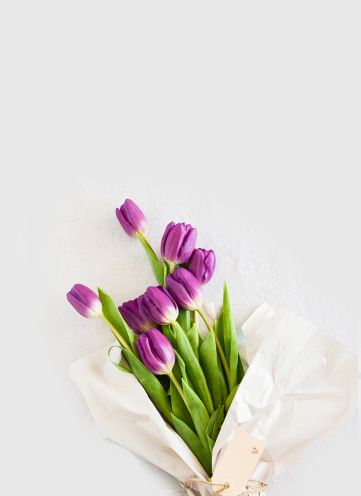
- Purple Tulips: Connote royalty, luxury, and admiration.
- Pink Tulips: Symbolize good wishes, caring, and happiness.
Unique Tulip Traits
- Bicolor tulips can display remarkable streaks and swirls, a trait once caused by a virus and now selectively bred for splendor.
- Black tulips, such as the world-famous 'Queen of Night,' are actually a deep, velvety purple and are a horticultural marvel praised for their mysterious beauty.
With over 3,000 registered varieties, there's a tulip to suit every taste and style, each carrying its own special meaning.
4. Tulips: Culinary and Medicinal Uses
It may surprise you to learn that ancient cultures didn't just admire tulips for their beauty--they also used them for culinary and medicinal purposes!
Edible Tulip Petals
- Petals of certain tulip species are technically edible and were reportedly used as a substitute for onions or as garnishes during times of scarcity, most notably during World War II in the Netherlands.
- Flavor Profile: The taste varies from sweet to slightly bitter, depending on the variety. However, not all tulips are safe to eat, so caution is always advised--some bulbs and petals can be toxic if consumed in large amounts.
Traditional Medicines
- In folk medicine, tulip extracts were occasionally believed to relieve coughs and infections, though there's little modern scientific evidence to support these uses.
Interesting tulip fact: While not a staple food, a handful of chefs today experiment with tulip petals in gourmet cuisine to add color and flair to desserts, salads, and beverages.
5. Global Festivals: Tulip Celebrations Around the World
The popularity of tulips is truly global. Every spring, cities and countries around the world celebrate the tulip in breathtaking fashion.
- Keukenhof Gardens, Netherlands: Known as the "Garden of Europe," Keukenhof is home to over seven million tulips and hosts one of the world's largest and most famous tulip festivals each year.
- Canadian Tulip Festival: Held in Ottawa, this festival was inspired by a gift of tulips from the Dutch royal family as a sign of gratitude for Canada's role in World War II--a tradition maintained annually ever since.
- Istanbul Tulip Festival: Turkey celebrates its own tulip legacy with millions of blooms across city parks, honoring the flower's central role in Turkish culture and history.
- Skagit Valley Tulip Festival: In Washington State, USA, vibrant tulip fields attract photographers and admirers from across the nation.
These joyous events showcase the universal appeal of tulips and highlight their unifying role across cultures and continents.
6. Tulips in Art, Literature, and Pop Culture
Tulips have inspired generations of artists, writers, and designers, symbolizing everything from fleeting beauty to the impermanence of life.
Tulips in Art
- Famous Dutch Golden Age paintings often feature tulips, from still lifes brimming with lush bouquets to intricate botanical illustrations.
- The flower is a recurring motif in Ottoman ceramics, Persian miniatures, and modern artistic installations.
Literature and Pop Culture
- Poetry: Tulips have long been celebrated in poetry for their vibrant colors and delicate form.
- Design: Stylized tulip shapes are reflected in everything from textile patterns to jewelry.
- Media: In contemporary pop culture, tulips are symbols of spring, rebirth, and even high-end luxury (think "tulip tables" and luxury fashion motifs).
Few flowers hold such a cherished place throughout the arts as tulips, crossing eras and cultures with elegance and enduring significance.
7. Gardening with Tulips: Easy Beauty for Every Home
One of the most practical tulip facts for today's flower lovers is just how easy these bulbs are to grow. With a bit of care, anyone can enjoy the delight of tulips in their own backyard or balcony planters.
Simple Guide to Growing Tulips
- Planting Time: Plant tulip bulbs in the fall, ideally about 6-8 weeks before the first hard frost, to ensure a showy spring bloom.
- Soil Preference: Well-draining soil is essential--avoid overly wet spots to prevent bulb rot.
- Proper Depth: Plant bulbs pointed side up, about 6-8 inches deep, and space them a few inches apart.
- Light Needs: Tulips thrive in full sun but can tolerate light shade.
- After Bloom Care: Once flowers fade, allow the foliage to yellow and wither on its own, as this process replenishes the bulb for next year's growth.
With their minimal requirements and maximum impact, tulips are a fantastic choice for gardeners ranging from beginners to seasoned pros.

Tulip FAQs: Answers to Your Blooming Questions
How long do tulips last after blooming?
Generally, tulips bloom for one to two weeks in the spring, depending on the variety and climate. While individual flowers are short-lived, properly cared-for bulbs will return for several seasons in colder climates.
Are tulips perennials or annuals?
Botanically, tulips are perennials. However, some modern hybrids may not reliably return each year, especially in warmer climates, and are often treated as annuals. Selecting botanical or species tulips improves the chance of perennial blooms.
Are tulips safe for pets?
Tulip bulbs (and, to a lesser extent, leaves and stems) contain toxins that can harm dogs and cats if consumed. Always plant tulip bulbs with care and discourage curious pets from digging in flower beds.
Conclusion: The Timeless Charm of Tulips
Tulips have captivated hearts and imaginations for centuries with their striking beauty, unique history, and rich symbolism. As you've discovered through these seven fascinating tulip facts, these flowers are so much more than just a springtime delight--they are a global phenomenon, treasured across continents, cultures, and generations.
Whether you're planting your first bulbs, wandering through a blooming garden, or marveling at a painting, let the remarkable story of tulips inspire you season after season. With their dazzling array of colors, compelling history, and lasting appeal, it's easy to see why tulips remain one of the world's most cherished flowers.
Now that you know these amazing tulip facts, why not cultivate your own interest in this extraordinary flower?
Latest Posts
Infuse Positivity into Your Life with the Essence of Flowers
7 Amazing Tulip Facts to Cultivate Your Interest
Floral Care 101: Cherishing Your Cut Blooms